

Pick cuffed sweatpants for running, travel, and any situation where you want a clean, contained silhouette. Go uncuffed when you’re lifting heavy, lounging at home, or building a more elevated casual look. That’s the short answer. Here’s how each hem plays out across the situations you actually face:
- Running or cardio: Cuffed wins. The ribbed ankle stays clear of your shoes and won’t snag on equipment mid-stride.
- Lounging or long-haul travel: Either works, but uncuffed open-hem styles drape more freely and don’t grip your ankle on a six-hour flight.
- Dressing up or heading out: Uncuffed, straight-leg cuts in a dark neutral read more polished. A cuffed jogger can work too, but only if the fabric is substantial and the fit is deliberate.
Style editors at GQ and Wirecutter both point toward the same principle: the hem is secondary to fabric weight and fit. Serpens builds its sweatpants around that logic, offering both cuffed and uncuffed options in midweight constructions that hold their shape.
Table of Contents
- What “cuffed” and “uncuffed” actually mean in sweatpants design
- Cuffed vs uncuffed sweatpants: a side-by-side comparison
- How to style cuffed sweatpants: outfit recipes, shoes, and body-type notes
- How to style uncuffed sweatpants: outfit recipes, shoe pairings, and hemming tips
- Which hem works best for running, lifting, travel, and everyday movement
- What makes a cuffed or uncuffed pant actually look and perform well
- How to choose cuffed or uncuffed in 60 seconds
- Key Takeaways
- The hem debate is really about control versus freedom
- Serpens sweatpants: built for both hem styles
- Useful sources and further reading
What “cuffed” and “uncuffed” actually mean in sweatpants design
The difference comes down to what happens at the ankle. A cuffed sweatpant features an elastic or rib-knit band sewn at the hem opening, which cinches the leg and creates a tapered, gathered profile. That’s the defining feature of a jogger. An uncuffed sweatpant, by contrast, ends in an open hem: the leg drops straight or wide, with no gathering, letting the fabric fall freely over your shoe or boot.
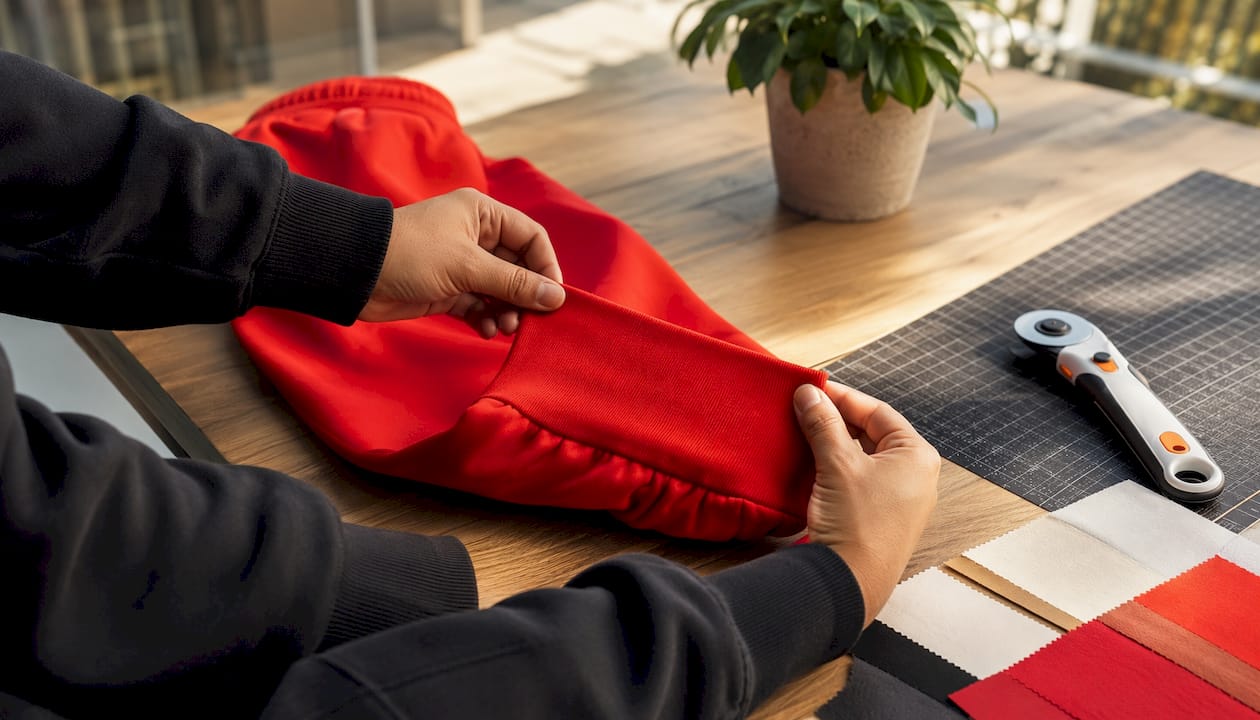
Those two constructions produce completely different silhouettes. The cuffed ankle pulls the fabric inward, which shortens the visual line of the leg and draws the eye to the shoe. The open hem elongates. It creates a vertical drape that makes the leg look longer, especially in a straight or slightly wide cut.
Picture it concretely: a cuffed jogger sits on top of a chunky sneaker, the cuff resting just above the collar. An uncuffed wide-leg pant drapes over a Chelsea boot, grazing the instep and creating that clean, unbroken line from hip to floor.
A few quick distinctions worth knowing:
- Cuffed (jogger-style): Ribbed or elastic ankle, tapered leg, fabric gathers above the cuff, sportier silhouette.
- Uncuffed (open-hem): Straight or wide leg, no gathering, fabric falls freely, more relaxed or elevated depending on cut.
- Terminology note: Joggers and sweatpants are often used interchangeably, but joggers almost always have a cuffed ankle. Traditional sweatpants can go either way and typically use heavier knit materials.
Cuffed vs uncuffed sweatpants: a side-by-side comparison
| Dimension | Cuffed | Uncuffed |
|---|---|---|
| Visual silhouette | Tapered, gathered at ankle; leg looks shorter | Elongated, clean vertical line; leg looks longer |
| Comfort & freedom | Secure fit, slight ankle restriction | Full range of motion, no ankle grip |
| Activity suitability | Running, cardio, travel, casual errands | Heavy lifting, lounging, elevated casual wear |
| Best shoe pairings | Chunky sneakers, running shoes, low-top casual shoes | Clean low-profile sneakers, Chelsea boots, loafers |
| Fabric & construction | Lighter French terry or structured fleece; ribbing quality matters | Midweight French terry or heavyweight fleece; drape depends on fabric weight |
| Ease of styling | Easy to keep neat; cuff anchors the look | Requires more intentional fit; inseam length is critical |
The cuff’s main job is control. It locks the pant in place, keeps the hem off the ground, and highlights whatever shoe you’re wearing. The open hem’s job is elongation and airflow. Cuffs add visual weight to the ankle and can help a pant drape straighter, while a plain hem creates a cleaner vertical line.
Primary pros and cons that actually change a decision:
- Cuffed pros: Stays put during movement, no hemming required, works immediately with most sneakers.
- Cuffed cons: Can trap heat at the ankle, may bunch under knee sleeves during lifting, visually shortens the leg.
- Uncuffed pros: Elongates the silhouette, breathes better, more versatile for elevated styling.
- Uncuffed cons: Inseam length must be right or the hem drags; looks sloppy in lightweight fabrics.
Pro Tip: If you want to wear cuffed sweatpants with boots, pull the cuff up over the boot shaft rather than tucking it inside. It reads intentional. Uncuffed wide-leg hems, on the other hand, should drape over the boot’s toe box, not bunch at the ankle, so inseam length matters more than you’d think.
How to style cuffed sweatpants: outfit recipes, shoes, and body-type notes
Cuffed sweatpants are the easier of the two to style quickly. The ankle does the work of anchoring the look, so you don’t have to think as hard about inseam length or shoe height. Footwear choice often dictates whether a cuffed pant reads as intentional, and three outfit builds cover most situations.
Three outfit recipes:
- Street-casual: Cuffed jogger in charcoal or black + oversized graphic tee + chunky New Balance or Nike Air Max. The cuff sits just above the sneaker collar, showing a sliver of sock. Add a zip-up hoodie or bomber jacket for layering.
- Athleisure/run-errand: Cuffed jogger in heather gray + fitted performance tee + running shoes. This is the classic combination. Keep the waistband at natural height and the cuff resting cleanly above the shoe.
- Elevated casual: Cuffed jogger in a dark neutral (navy, olive, black) + fitted crewneck or mock-neck + clean leather low-top sneaker or casual boot. The key here is fabric weight: a midweight, polished fabric reads more intentional than a thin, pilled cotton.
Shoe pairings that consistently work:
- Chunky or retro-profile sneakers (the cuff frames them well)
- Running shoes with a low-profile collar
- Low-top casual leather sneakers for a cleaner look
- Avoid tall boots unless you’re pulling the cuff up deliberately
Body-type notes: Cuffed hems shorten the visual leg line, so if you’re on the shorter side, look for a cuff that sits close to the ankle rather than mid-calf. A higher-rise waistband helps restore proportion. Taller frames can wear a deeper cuff without losing length. If the cuff bunches or rides up, the inseam is too long: a tailor can shorten it in one visit without touching the cuff itself.
How to style uncuffed sweatpants: outfit recipes, shoe pairings, and hemming tips
Uncuffed sweatpants demand more from the fit, but they reward the effort. The open hem creates a fluid drape that cuffed styles can’t replicate, and when the inseam is right, the look reads effortlessly elevated.
Three outfit recipes:
- Clean elevated casual: Straight-leg uncuffed sweatpant in black or dark navy + fitted white tee + white leather low-top sneaker or loafer. This is the outfit that makes people ask if those are actually sweatpants. Fabric weight is everything here: go midweight or heavier.
- Minimal streetwear: Wide-leg uncuffed pant in a neutral + cropped hoodie or boxy crewneck + clean court sneaker. The wide leg and cropped top create a balanced proportion. Keep colors tonal.
- Smart-loungewear with a jacket: Uncuffed straight-leg in a heathered gray or camel + structured zip-up or lightweight overshirt. This works for coffee runs, casual meetings, or airport days when you want comfort without looking like you just rolled out of bed.
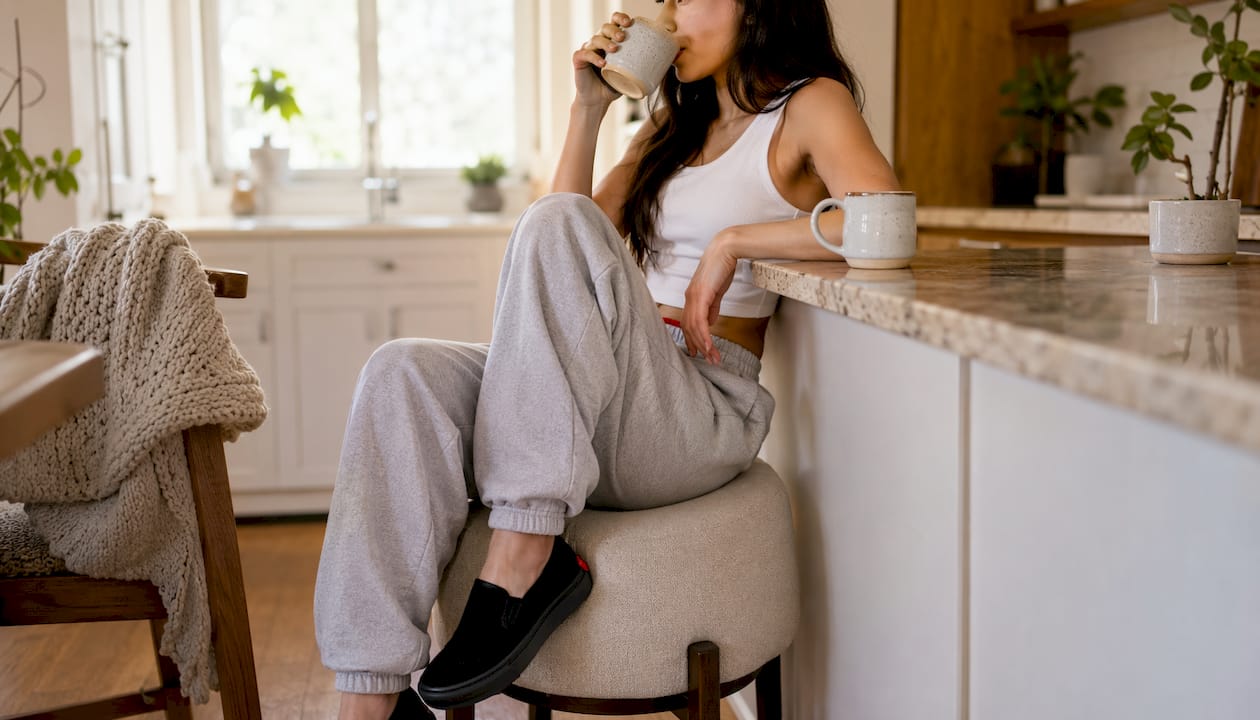
Shoe pairing guidance: Clean, low-profile sneakers work best because they don’t compete with the drape. Chelsea boots and loafers are strong choices for elevated looks. Avoid bulky high-tops: they interrupt the vertical line the open hem creates.
Pro Tip: Before you hem uncuffed sweatpants, put on the shoes you plan to wear most with them. The hem should graze the top of the shoe, not stack on it. If you want a slight break, that’s fine, but more than a half-inch of stacking looks unintentional. A tailor can take in the inseam while preserving the full width of the leg opening, so you keep the drape without the drag.
Which hem works best for running, lifting, travel, and everyday movement
The right hem for your activity isn’t just a comfort call. It affects safety, range of motion, and how the pant holds up over time.
- Running or cardio: Cuffed. The ankle stays clear of your shoes, and there’s no loose fabric to snag on treadmill belts or catch on hurdles. Cuffed ankles reduce snag risk during running and keep the hem away from your footwear mid-stride.
- Heavy lifting (squats, deadlifts): Uncuffed. Elastic cuffs can bunch around the shin during a deadlift and may snag on knee sleeves. An open hem gives the shin full clearance and doesn’t restrict the ankle during a deep squat. Wide-leg designs are often recommended for heavy lifting specifically to avoid that bunching problem.
- Travel or airplane: Cuffed, slightly. The secure fit means the hem doesn’t drag on airport floors, and the tapered ankle keeps things tidy. That said, if your main goal is sleeping through a long flight, an uncuffed pant with a relaxed fit wins on pure comfort.
- Lounging: Uncuffed. No ankle grip, full drape, and open hems allow passive ventilation that cuffed styles can’t match. Cuffs trap heat at the ankle, which is great in January but less appealing in May.
- Walking or casual errands: Either works. Cuffed keeps things neat without thinking. Uncuffed looks more polished if the inseam is dialed in.
Pro Tip: Before committing to a sweatpant for workouts, run three quick tests in the fitting room: a deep squat, a seated position, and an ankle roll. If the cuff digs in during the squat or the hem bunches at the shin, size up or switch to an open hem. These tests take 30 seconds and save you from a pant that fights you mid-set.
What makes a cuffed or uncuffed pant actually look and perform well
The hem style is the last thing that determines quality. Fabric weight and construction come first.
Fabric choices that hold shape: Midweight French terry (roughly 280–320 gsm) is the sweet spot for both cuffed and uncuffed styles. It’s light enough to drape cleanly on an open hem and structured enough to keep a cuffed ankle from looking floppy. Structured fleece works well for colder months. Manufacturers offer both open-hem and elastic-cuffed variants in these fabrics, and the trend toward hybrid silhouettes means you’ll find midweight options in both cuts. Pure heavyweight cotton fleece is warm and comfortable, but it can look sloppy in an uncuffed cut unless the fit is precise.
Fit and inseam guidance: Wirecutter’s testing found that most testers preferred inseams of average length for a balanced look at average height. For cuffed styles, the cuff should rest just above the shoe collar, not mid-calf. For uncuffed, the hem should graze the top of the shoe. Tall frames (6’1" and above) often need a 32–34 inch inseam to avoid a cropped look. Short frames benefit from a higher rise and a cuff that sits close to the ankle.
Construction details worth checking:
- Ribbing quality on cuffs: Thin, loose ribbing loses elasticity fast. Look for dense, tight-knit ribbing that springs back after stretching.
- Flatlock seams: These lie flat against the skin and don’t create pressure points during movement.
- Gusseted crotch: Adds range of motion and prevents the seam from pulling during squats or long strides.
Pro Tip: When shopping online, check the fabric weight in grams per square meter (gsm) if it’s listed. Anything below 240 gsm tends to look thin and pill quickly. Midweight French terry at 280–320 gsm holds its shape through repeated washing and keeps both cuffed and uncuffed silhouettes looking intentional.
How to choose cuffed or uncuffed in 60 seconds
Three questions get you there fast.
1. What’s your primary activity?
- Movement-heavy (running, gym cardio, commuting): cuffed.
- Lifting, lounging, elevated casual: uncuffed.
2. What shoes do you wear most?
- Chunky sneakers, running shoes, low-top casual: cuffed works naturally.
- Clean low-profile sneakers, Chelsea boots, loafers: uncuffed elongates better.
3. What silhouette do you want?
- Tapered, sporty, contained: cuffed.
- Elongated, fluid, slightly elevated: uncuffed.
Three quick scenarios:
- The commuter who wants to look put-together: Uncuffed straight-leg in a dark neutral, clean sneaker or loafer, structured jacket. Looks intentional without trying hard.
- The gym lifter: Uncuffed wide-leg or straight-leg in a midweight fabric. No cuff to snag on knee sleeves, full ankle clearance for deadlifts.
- The weekend traveler: Cuffed jogger in French terry. Stays neat on the plane, works for a quick coffee stop, and doesn’t drag on airport floors.
Red flags to avoid regardless of hem style:
- Inseam too long: the hem drags and the whole look falls apart.
- Fabric too light: below 240 gsm, neither cuffed nor uncuffed holds its shape after a few washes.
- Waistband that gaps or rolls: signals the rise is wrong for your body, and no hem style fixes a bad waistband fit.
Key Takeaways
Cuffed sweatpants suit movement and travel; uncuffed styles elongate the silhouette and work better for lifting, lounging, and elevated casual looks, but both depend on fabric weight and inseam length more than the hem alone.
| Point | Details |
|---|---|
| Hem choice follows activity | Cuffed for running and travel; uncuffed for lifting, lounging, and elevated casual wear. |
| Fabric weight matters most | Midweight French terry (280–320 gsm) holds shape in both cuffed and uncuffed cuts. |
| Inseam length is non-negotiable | Cuff should rest just above the shoe; open hem should graze the shoe top, not stack or drag. |
| Footwear drives the silhouette | Chunky sneakers suit cuffed; clean low-profile sneakers and boots suit uncuffed. |
| Serpens offers both cuts | Check Serpens’ sweatpants range for cuffed and uncuffed options in midweight constructions built to hold their shape. |
The hem debate is really about control versus freedom
Most style guides treat cuffed versus uncuffed as a trend question. It isn’t. It’s a function question that happens to have aesthetic consequences.
The cuff is a control mechanism. It locks the pant’s position relative to your shoe, keeps the hem off the ground, and creates a predictable silhouette every time you put the pant on. That’s genuinely useful. For travel, running, or any situation where you want the outfit to handle itself without adjustment, a cuffed jogger is the lower-maintenance choice.
The open hem is a freedom mechanism. It doesn’t anchor anything. The drape changes with your shoe height, your inseam length, and the fabric weight. Get those three variables right and the result is cleaner and more elevated than any cuffed pant can achieve. Get them wrong and it looks like you borrowed someone else’s pants.
The conventional wisdom that cuffed sweatpants are more casual and uncuffed are more elevated is mostly true, but it misses the real variable: fabric. A heavier uncuffed pant in a dark neutral can look more polished than a lightweight cuffed jogger in a faded gray, regardless of which hem is technically “dressier.” GQ’s styling editors have made this point repeatedly, and it holds up. The hem is the last decision. Fabric and fit are the first two.
For what it’s worth, a cuffed jogger in midweight French terry is the one I’d take on a plane or to a gym. For a Saturday afternoon or anything that involves boots and a jacket, the open hem wins. Keep both in rotation and let the activity decide.
Serpens sweatpants: built for both hem styles
If you’ve worked through this guide and know which hem you want, Serpens makes the next step simple. The sweatpants range covers both cuffed and uncuffed cuts in midweight constructions that hold their shape past the first wash. No thin, pilling fabric, no cuffs that lose their elasticity after a month.

For sizing, the general rule applies: if you’re between sizes, size up for uncuffed styles (the open hem reads better with a slightly relaxed fit through the thigh) and stay true to size for cuffed joggers (the cuff does the anchoring work). If a pair doesn’t fit the way you expected, Serpens handles exchanges so you’re not stuck with the wrong cut.
Browse the full range and find your fit at Serpens.
Useful sources and further reading
- The Complete Guide to Cuffed vs Uncuffed Sweatpants — Olivia Paisley: Detailed styling breakdown of how each hem type changes silhouette and outfit options.
- How to Style Sweatpants — GQ: Fashion editor guidance on making sweatpants look intentional, with emphasis on fabric quality and footwear.
- The Best Sweatshirts and Sweatpants — Wirecutter: Product testing focused on fabric weight, seam construction, and inseam ranges across a wide range of options.
- Are Uncuffed Sweatpants Better for Heavy Lifting? — Village Info Center: Practical fitness-focused breakdown of why open hems suit lifting movements better than cuffed styles.
- Best Men’s Sweatpants — Men’s Health: Covers the terminology difference between joggers and sweatpants and how cuffed ankles define the jogger category.
- The Strategist: Best Pairs of Men’s Sweatpants: Editor-tested roundup covering hybrid silhouettes and the trend toward midweight French terry in both cuffed and uncuffed designs.